
Published by Yala Media Group | April 2026
The Prophet ﷺ was a businessman before he was a prophet. He worked as a merchant, traveled trade routes, built a reputation for integrity so unimpeachable that Khadijah (RA) — herself a successful trader — sought him out as a business partner before she sought him as a husband. He was called Al-Amin — the Trustworthy — by people who had every commercial reason to evaluate that reputation critically.
Islam does not merely tolerate business. It honors it. The Quran describes the honest merchant as being raised on the Day of Judgment with the prophets and the martyrs. The Prophet ﷺ said: “The honest, trustworthy merchant will be with the prophets, the truthful, and the martyrs.” — Jami al-Tirmidhi. Business, done with integrity, is an act of worship.
The question for Muslim entrepreneurs in 2026 is not whether to build a business. It is which business, in what way, and toward what end.
This guide answers that question honestly. It is not a list of every halal business idea that exists — that list would be almost endless. It is a curated assessment of the businesses that combine real market opportunity with Islamic alignment, that are executable by Muslim entrepreneurs with realistic resources, and that have the capacity to generate meaningful income and lasting impact.
The global halal economy exceeded USD 2 trillion in 2026, driven not just by Muslim consumers but by broader demand for ethical, transparent, and sustainably produced goods and services. The opportunity is real. The question is where to focus.
The Islamic framework for business
Before the ideas, the principles — because the Islamic approach to business is not just a filter on what to avoid, it is a positive framework for how to build.
Halal income is an obligation, not a preference. The Prophet ﷺ said: “Seeking halal income is an obligation after the obligation.” — Bayhaqi. This means the source of your income is not a secondary consideration. It is a primary one. A business built on haram foundations — interest, deception, forbidden products — is not a business a Muslim can build with peace of heart, regardless of its profitability.
Honesty is the competitive advantage. In a market saturated with deception — misleading marketing, hidden fees, quality shortcuts — honest dealing is genuinely rare and genuinely valued. The Islamic ethic of sidq in business — truthfulness about your product, your pricing, your limitations — is not just morally required. It is strategically superior, because trust compounds over time in ways that clever marketing cannot replicate.
The intention shapes the outcome. A Muslim who builds a business with the intention of providing for their family, serving their community, and giving back to causes they believe in is doing something qualitatively different from someone building the identical business purely for personal enrichment. The intention doesn’t change the product or the P&L. It changes the meaning — and meaning, in turn, affects the energy, the decisions, and the resilience that sustain a business through difficulty.
Risk-sharing over interest. Islamic business ethics prohibit riba — interest — which has practical implications for how you finance a business. This means bootstrapping where possible, profit-sharing arrangements with investors rather than interest-bearing loans, and Islamic financing products where available. It also means being creative about growth strategies that don’t require debt-financed scaling.
The best businesses to start as a Muslim in 2026
1. Halal food — the evergreen opportunity
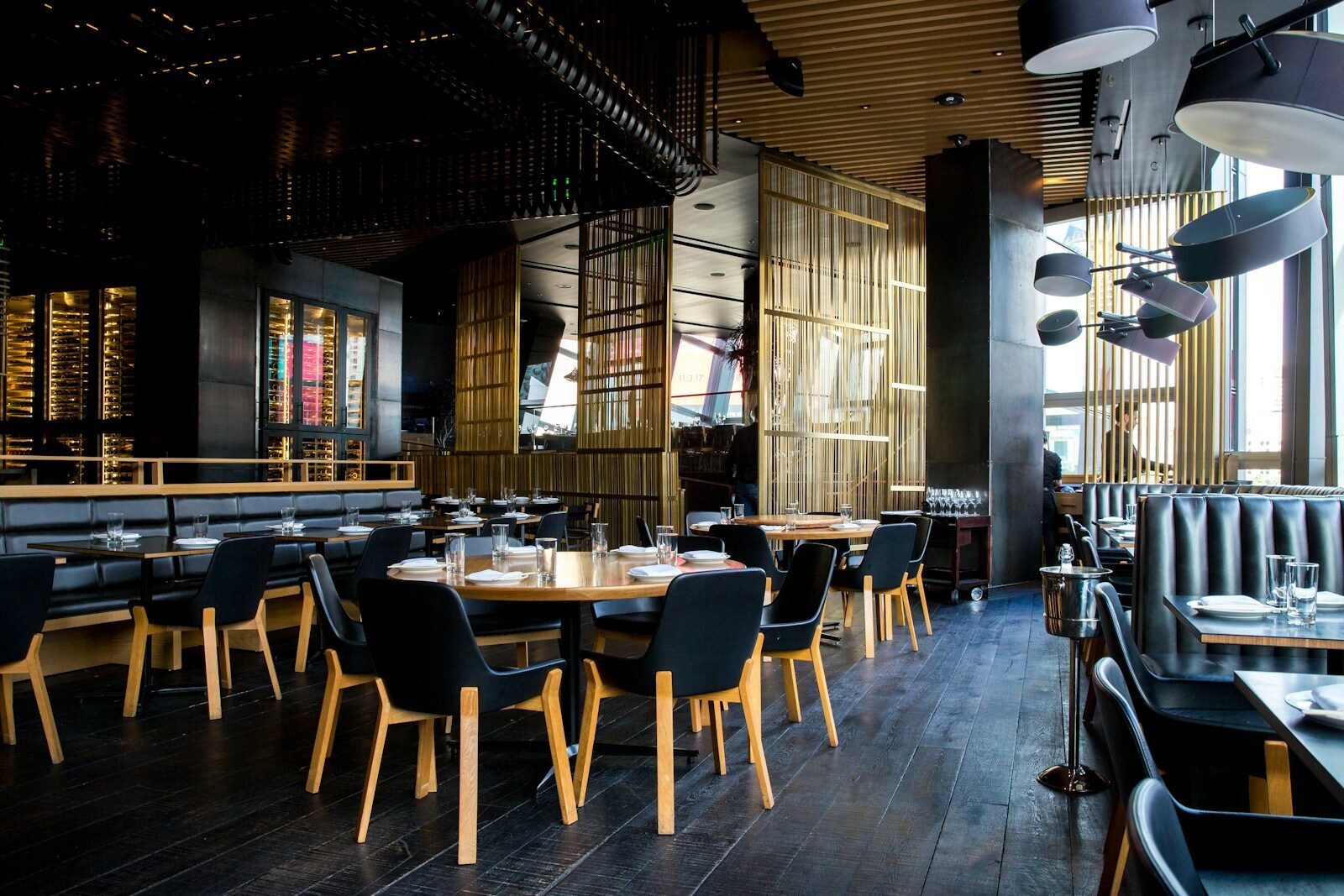
Food is where Muslim entrepreneurship has the deepest roots and the clearest market demand. The global halal food market continues to expand — driven not just by Muslim population growth but by non-Muslim consumers who associate halal with cleanliness, ethical sourcing, and quality.
Within food, several specific models stand out in 2026:
Halal catering is one of the most accessible entry points with consistently strong demand. Weddings, corporate events, Islamic school graduations, masjid iftar programs, community fundraisers — the need is year-round and the ticket sizes are meaningful. A catering business with ten recurring clients — one corporate account, a few regular event clients, a masjid partnership — generates reliable income without the overhead of a physical restaurant. In 2026, clients expect more than just halal compliance — they look for menu flexibility, professionalism, and reliability. Those three things, delivered consistently, build a catering business through word of mouth faster than almost any other marketing strategy.
Halal meal prep and delivery serves the Muslim professional class that has money but not time. Busy families want the convenience of meal delivery without sacrificing halal standards or dietary quality. A subscription-based halal meal prep service — three to five meals per week, delivered fresh, with a rotating menu — addresses a gap that most generic meal kit companies ignore entirely. The Muslim demographic for this product is concentrated in exactly the zip codes where meal delivery is most established: urban professionals in cities with significant Muslim populations.
Halal food trucks offer lower startup costs than restaurants, geographic flexibility, and the ability to position at high-demand locations — near mosques on Fridays, at Islamic events, near university campuses with significant Muslim student populations. Success depends on location strategy, menu simplicity, and visibility through social media and delivery platforms.
A halal bakery — like Yaba’s Bagels, which we co-own here in Dunwoody — is a community-anchored business that builds deep loyalty. The key differentiator in 2026 is authenticity and quality over novelty. A halal bakery that makes genuinely excellent product, with transparent ingredients, will outlast a dozen gimmick concepts.
Islamic considerations: Halal food businesses require halal certification for meat products and ingredient transparency throughout. The American Halal Foundation (AHF) offers a Halal Startup Gateway specifically to support businesses entering this space. Certification is not optional if you’re making halal claims — it is the foundation of the trust your business is built on.
2. Modest fashion — a $311 billion market that is still underserved
The modest fashion enterprise is projected to reach $311 billion by 2026. It is one of the fastest-growing segments of the global fashion industry, and Muslim entrepreneurs have a genuine edge in it — not because they have exclusive access to the market, but because they understand the consumer from the inside in a way that mainstream fashion brands structurally cannot.
The gap is real. Muslim women who want fashionable, modest clothing that is also high quality and professionally designed have historically had to choose between modesty and style, or between Islamic appropriateness and mainstream aesthetics. The Muslim entrepreneur who closes that gap — who understands both the faith requirements and the aesthetic aspirations of the modern Muslim woman — is solving a real problem for a large and growing customer base.
Online stores perform best in this category. The overhead of physical retail is unnecessary at launch, the global reach of e-commerce allows you to serve Muslim customers across the country and internationally, and platforms like Shopify make the technical setup accessible to non-technical founders. The critical success factors are quality of product, consistency of sizing, professional photography, and genuine community engagement — not just marketing to the Muslim community but being genuinely part of it.
Islamic considerations: The business itself is inherently aligned with Islamic values. The financing and business structure need to avoid interest. Supply chain matters — modest fashion brands that can speak to ethical sourcing and manufacturing conditions have an additional story to tell that resonates with the Muslim consumer’s broader ethical commitments.
3. Islamic education and Quran instruction
“The best of you are those who learn the Quran and teach it.” — Sahih al-Bukhari
Education is among the most honored business categories in the Islamic tradition, and the demand for quality Islamic education — particularly Quran instruction and Islamic studies — consistently exceeds the supply of qualified, professional educators.
Online Quran teaching has become a significant income source for qualified teachers. One-on-one tutoring sessions via Zoom, structured curriculum programs, and group classes for children all have strong demand from Muslim families who want quality instruction but lack access to local qualified teachers. A full-time online Quran teacher working with thirty to forty students at $25-$50 per session is generating a serious income from a laptop, with zero overhead beyond an internet connection.
Islamic weekend schools attached to masajid are perpetually understaffed and underresourced. A Muslim educator who builds a structured, professionally delivered Islamic studies curriculum and offers it as a managed service to mosques — handling curriculum, teacher recruitment, and quality control — is solving a problem that virtually every Islamic center in America has and is not equipped to solve themselves.
Online Islamic education platforms are a larger business opportunity for those with the technical and content capacity to build one. Bayyinah, SeekersGuidance, and Yaqeen Institute have demonstrated the scale of demand for quality Islamic content online. The opportunity for niche platforms — focused on a specific age group, a specific language community, a specific scholarly tradition — remains significant.
Islamic considerations: Education businesses have minimal haram risk and strong Islamic sanction. The primary consideration is ensuring the quality and accuracy of the Islamic content — a Muslim educator has an obligation of accuracy that goes beyond the commercial motivation to keep students engaged.
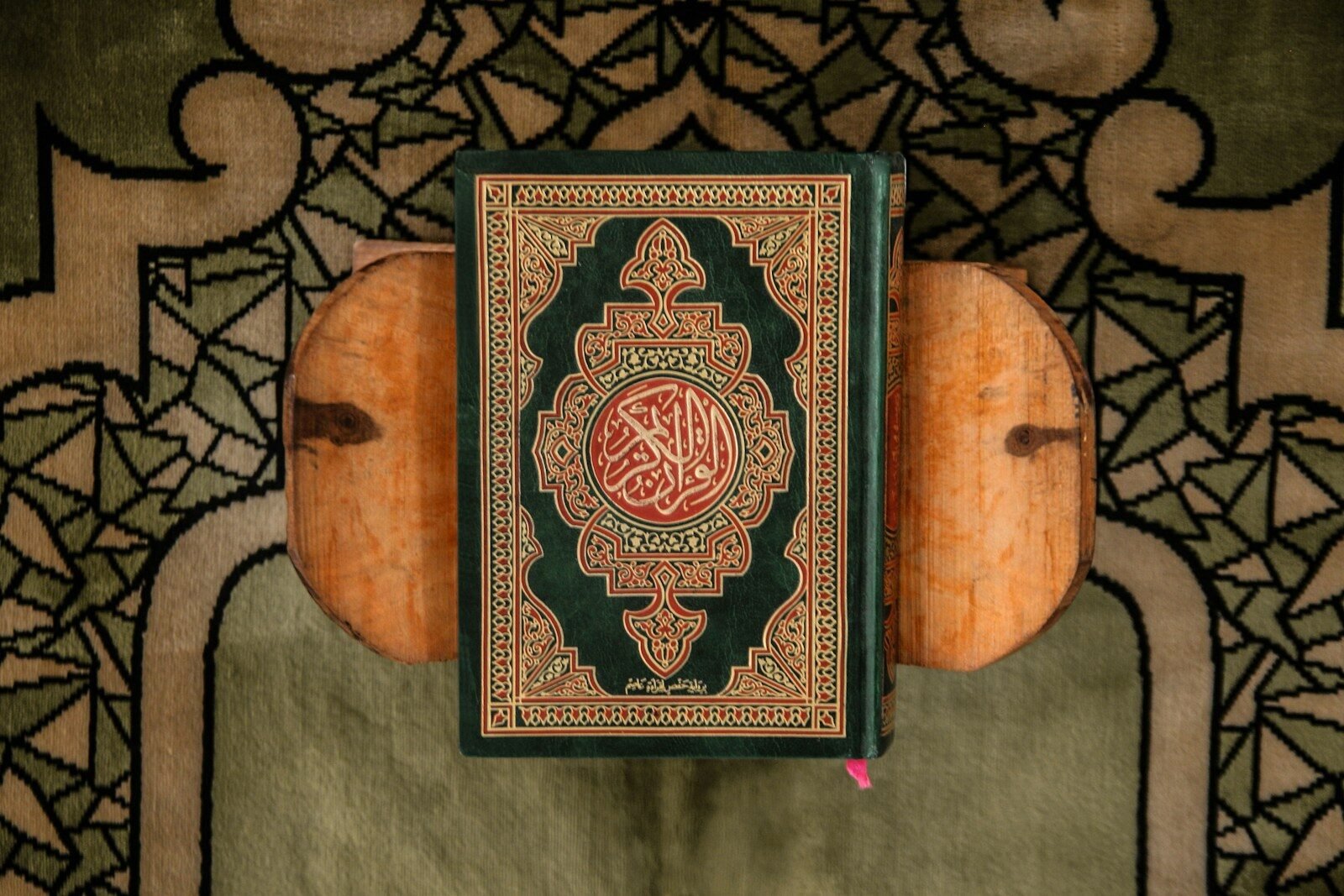
4. Islamic financial services and coaching
The Muslim community in America has significant accumulated wealth and almost no dedicated financial advisory infrastructure that understands both halal investment requirements and American financial products.
Islamic financial coaching addresses the gap between what mainstream financial advisors know — everything about index funds, retirement accounts, and estate planning — and what Muslim clients need — guidance on which of those products are halal, how to structure zakat obligations as wealth grows, how to buy a home without a conventional interest-bearing mortgage, and how to build generational wealth within Islamic constraints.
A Muslim financial coach who holds a CFP (Certified Financial Planner) designation and combines that technical knowledge with deep Islamic financial literacy is serving a market that is almost entirely unaddressed. The Muslim professional class — doctors, engineers, tech workers, lawyers — has money to manage and real questions about how to manage it Islamically. Most of them are currently either using conventional advisors who don’t understand their requirements or doing nothing.
Halal investment advisory — helping Muslim families understand and access SPUS, HLAL, MNZL, Wahed, Amana Funds, and other Shariah-compliant investment vehicles — is a service with strong demand and low supply of qualified providers.
Islamic estate planning is an underserved need. Muslim families have specific requirements around inheritance distribution — Islamic inheritance law (miras) is detailed and differs significantly from default American intestate succession. A Muslim attorney or paralegal who specializes in wills and trusts that incorporate Islamic inheritance principles is providing a service that almost no mainstream estate planning firm offers.
Islamic considerations: Islamic financial services are inherently aligned with the deen but require genuine scholarly knowledge to execute responsibly. Getting the halal/haram classifications wrong — recommending products that are not actually Shariah-compliant — is a serious liability. Partner with qualified Islamic finance scholars in building any financial advisory practice.
5. Muslim-focused technology
Technology built for the Muslim community is a category that has seen enormous growth and still has enormous gaps. Prayer apps, Quran apps, halal restaurant finders, Islamic content platforms — these have been built. But the depth of the category barely scratches what is possible.
Muslim fintech — zakat calculation platforms, sadaqah automation tools, Islamic mortgage marketplaces, halal ETF comparison tools — serves a community that has money and specific financial requirements that mainstream fintech ignores.
Halal product verification — apps that let consumers scan a barcode and instantly verify whether a product’s ingredients are halal — solve a problem that millions of Muslim consumers navigate imperfectly every time they shop. The technical components exist. The business model (freemium subscription, affiliate partnerships with verified halal brands) is clear. The market is established. The execution is the question.
Muslim professional networking platforms — the LinkedIn for the Muslim professional community — remains unbuilt at scale. LaunchGood has done this for charitable giving. A platform focused on professional connection, mentorship, and Muslim business networking for the broader Muslim professional class is a significant gap.
AI tools for Islamic scholarship — making the hadith literature, tafsir collections, and fiqh resources more navigable for ordinary Muslims — is a category where technology genuinely serves the deen. IslamiCity’s ChatILM is an early version of what this can become. The opportunity for more sophisticated, more curated, more vertically specialized tools is substantial.
Islamic considerations: Technology businesses carry the same halal requirements as any other business — avoid interest in financing, maintain honesty in marketing, handle user data responsibly. The specific Islamic consideration for Muslim-focused tech is accuracy — a halal verification app that makes wrong calls or a fatwa platform that misrepresents scholarly positions causes real harm to real Muslims.
6. Halal travel and Umrah services
Muslim-friendly travel continues to grow, especially among families and young professionals. The gap between what Muslim travelers need — halal food options, prayer facilities, alcohol-free environments, modest accommodation — and what mainstream travel agencies offer is significant and consistent.
Umrah facilitation is a specialized service with strong margins and deep community trust requirements. Muslim families planning Umrah are spending $3,000 to $10,000 or more per person on a spiritually significant journey. They want a provider they trust completely — and that trust is built through personal connection and community reputation, not advertising. A Muslim entrepreneur with strong community ties, operational experience, and scholarly partnerships is well-positioned to build a respected Umrah facilitation business. The key is operational excellence and ethical conduct — overpromising and underdelivering on Umrah is not just a business failure, it is a profound violation of the trust of people engaging in worship.
Islamic heritage travel — curated group tours to Istanbul, Sarajevo, Cordoba, Samarkand, Cairo, and other cities of Islamic heritage — serves the growing appetite among American Muslims for travel that connects them to the breadth and depth of Islamic civilization. The market for this is significantly underserved and the ticket sizes are substantial.
Halal-friendly hotel partnerships — a platform that aggregates and verifies halal-friendly hotels, resorts, and Airbnbs — serves the Muslim traveler who wants to know before booking that their accommodation meets their standards. This is a technology and curation business at its core, with affiliate revenue from bookings.
Islamic considerations: Travel businesses touch on trust and amanah in a particularly direct way. A Muslim travel operator who delivers on their promises is providing a genuine service to the ummah. One who cuts corners on a pilgrimage package is doing something seriously wrong. The standard is higher here, not lower.
7. Community services — the businesses that build the ummah
Some of the best businesses for Muslim entrepreneurs are the ones that directly serve and strengthen the community infrastructure that Muslim families depend on.
Islamic school administration and curriculum consulting — helping masajid and Islamic schools build more professionally managed educational programs — is a service business that requires educational expertise and Islamic knowledge but has guaranteed demand across the country.
Halal childcare — daycares and after-school programs that incorporate Islamic values, Arabic instruction, and Quran memorization alongside standard early childhood education — are chronically undersupplied relative to Muslim family demand. A well-run halal daycare in a city with a significant Muslim population will have a waitlist before it opens.
Muslim mental health services — therapists and counselors who are themselves Muslim and understand the Islamic worldview, the specific stressors of Muslim life in America, and the cultural contexts of their clients’ communities — are desperately needed and in short supply. A Muslim therapist in private practice who markets specifically to the Muslim community is filling a gap that is genuine and growing.
Halal cleaning and home services — cleaning companies, landscaping services, and home repair businesses that employ and serve Muslim clients with Islamic values around gender interaction and halal income — build strong community loyalty through trust and shared values.
Islamic considerations: Community service businesses carry the highest Islamic reward potential of any category. The Prophet ﷺ said: “The best of people are those who are most beneficial to people.” A business that directly strengthens the ummah’s infrastructure is doing something with spiritual weight beyond its commercial value.

The businesses to think carefully about
Not every business opportunity that is technically halal is equally wise for a Muslim entrepreneur to pursue.
Any business that is halal but serves primarily haram environments — event planning for venues that serve alcohol, marketing for brands whose primary association is with haram content — requires careful consideration. The business activity itself may be permissible, but proximity to and facilitation of haram raises questions that each Muslim entrepreneur needs to answer for themselves with their own scholarly guidance.
Businesses that require you to compromise your prayer or Jumu’ah — restaurant concepts that require you to be present during Jumu’ah time every Friday, travel businesses that require constant unavailability — create structural conflicts with Islamic obligations that can make success feel like a trap. Design the business around your deen, not the other way around.
Multi-level marketing schemes that some Islamic speakers and community figures have promoted — the vast majority of these are structurally problematic both commercially (the income claims are not honest) and in some formulations Islamically (pyramid structures have riba-adjacent characteristics). Approach any MLM with serious skepticism and scholarly scrutiny before investment.
The traits that make a Muslim entrepreneur successful
The Quran describes the characteristics of the successful believer — and they map almost exactly onto the characteristics of successful entrepreneurs.
Sabr — patience and persistence through difficulty. Every business hits hard stretches. The Muslim entrepreneur who treats those stretches as a test from Allah, who maintains consistency of effort and quality of character when the results aren’t coming, is doing something that secular business culture can’t quite name but that the Islamic tradition has always understood.
Tawakkul — reliance on Allah after taking all the means. You plan. You execute. You market. You improve. And then you release the outcome to Allah, because the rizq was always His to give and His to withhold. This is not passivity — it is the deepest form of strategic clarity, because it frees you from the anxiety of trying to control what was never yours to control.
Shura — consultation. The Prophet ﷺ said: “Consult those who have experience.” Muslim entrepreneurs who build advisory relationships — with other entrepreneurs, with scholars who can guide on Islamic compliance, with mentors who have built what they’re trying to build — make better decisions than those who operate in isolation.
Giving back as a built-in commitment. The Muslim entrepreneur who treats their zakat not as an afterthought but as a structural part of their business model — like Yala Media Group’s commitment to routing 100% of profits to Islamic nonprofits — is building something with a different kind of meaning. That meaning attracts customers, attracts employees, attracts partners, and attracts barakah in ways that are real and documented across the Islamic tradition.
The Quran promises: “And whoever fears Allah — He will make for him a way out and will provide for him from where he does not expect.” — Surah Al-Talaq 65:2-3.
That is not a business promise. It is a theological one. But every Muslim entrepreneur who has built something with taqwa and integrity can tell you that it has business implications that no spreadsheet can fully capture.
Build something real. Build it honestly. Build it for more than yourself.
Yala Media Group builds technology for the Muslim community where giving is structural, transparent, and effortless. Our browser extension turns everyday browsing and Amazon shopping into passive sadaqah — automatically, at no cost to you. Learn more at yalamediagroup.com.