Published by Yala Media Group | April 2026
Choosing where to live is one of the most consequential decisions a Muslim family makes. The neighborhood shapes everything — whether your children grow up with Muslim friends, whether you can walk to a masjid, whether halal food is accessible without a forty-minute drive, whether your daughter can find a school that accommodates her hijab, whether you can take Jumu’ah without burning half a day of PTO.
These are not small considerations. The Prophet ﷺ is reported to have said: “A man follows the religion of his close friend, so let each of you look at whom he takes as a close friend.” The environment you raise your family in — the community, the neighbors, the institutions, the daily texture of life — is not separate from your deen. It is one of the most powerful forces shaping it.
This guide evaluates American cities across the criteria that matter most for Muslim quality of life: mosque density and quality, Islamic school availability, halal food access, Muslim community depth and diversity, cost of living relative to income, and the overall livability of the metro area. It is honest about trade-offs, because every city has them.
A note on data: the U.S. federal census does not ask about religious affiliation, so Muslim population estimates vary depending on the source. The figures cited here are drawn from the best available research as of 2025-2026 — Pew Research Center, the Institute for Social Policy and Understanding (ISPU), and community-level reporting — and should be understood as estimates rather than precise counts.
1. Dearborn, Michigan — America’s Muslim capital
No city in America has a higher Muslim concentration than Dearborn. Dearborn is America’s “Muslim capital,” where approximately 40% of residents are Muslim. Lebanese, Iraqi, and Yemeni communities thrive, supported by the iconic Islamic Center of America.
This isn’t a community that exists alongside the dominant culture — it is the dominant culture. Arabic is on storefronts. Halal meat is available at standard grocery stores. Every major fast food chain in Dearborn has halal options. Mosques are as common as churches. Islamic schools are established, credible, and affordable. Eid is a community-wide celebration, not a personal observance you navigate alone.
The Islamic Center of America — one of the largest mosques in North America — anchors a religious and cultural infrastructure that has been built over decades by immigrant communities who came with the explicit intention of establishing something lasting. That depth of institutional infrastructure is not replicable quickly and doesn’t exist in most American cities at this scale.
The trade-offs: Dearborn’s economy is heavily tied to the auto industry, which creates volatility. The city itself is economically working-class in significant parts, and property values and income levels lag behind other metro areas on this list. The broader Detroit metro has challenges — urban blight, crime in certain areas, and a public school system that has struggled — that require deliberate navigation. Many Muslim families in the metro choose suburbs like Dearborn Heights, Canton, or Ann Arbor for more affluent environments while staying close to the Dearborn community infrastructure.
Best for: Families who want maximum Muslim community density, first-generation immigrants looking for ethnic familiarity, those who prioritize community depth over economic upside.
2. New York City / Northern New Jersey — the world in one metro
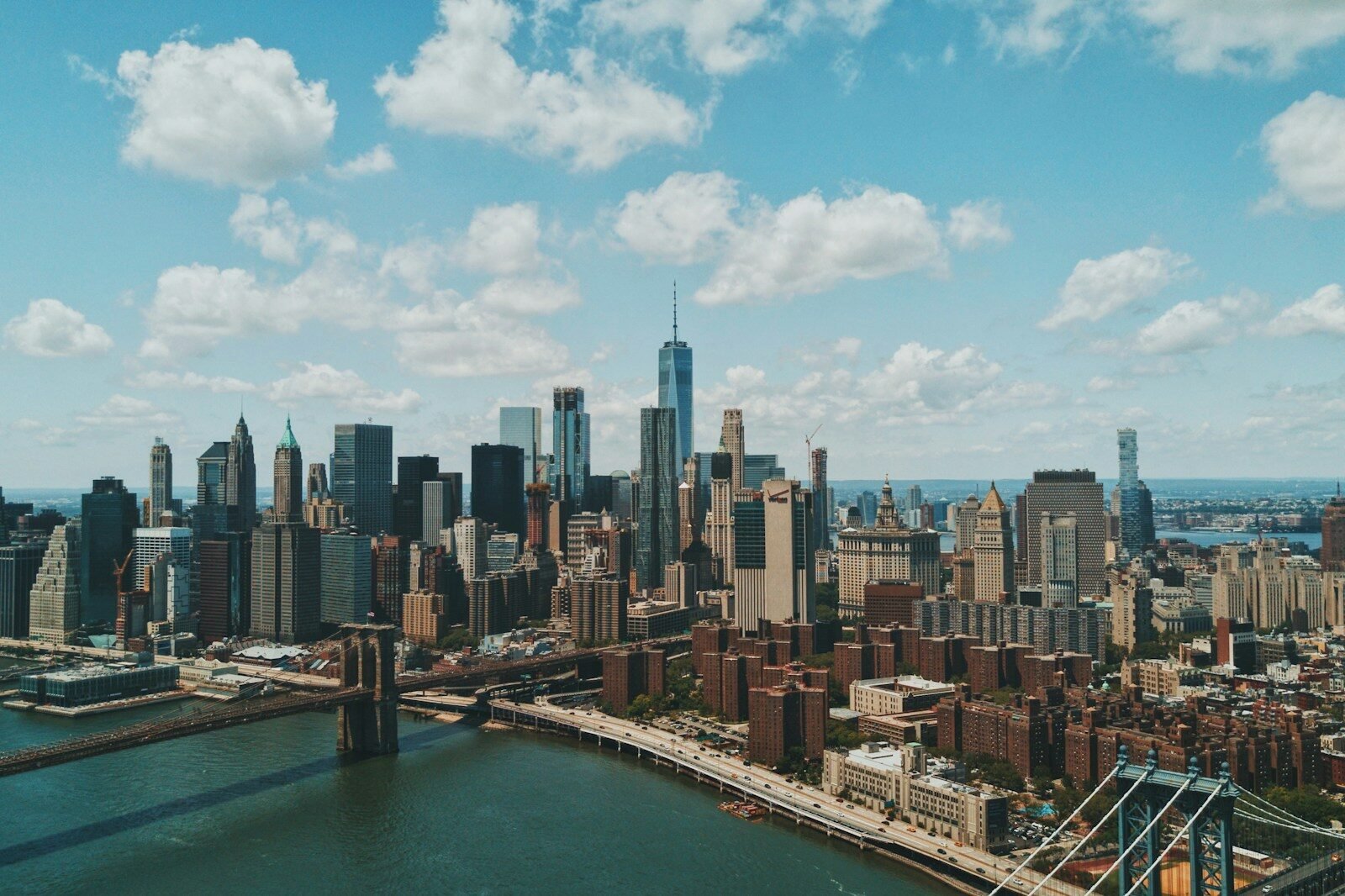
The New York metropolitan area remains the largest Muslim population center in the Western Hemisphere, hosting the most diverse Muslim community globally, with significant Arab, South Asian, African, Turkish, Iranian, and African American populations. Infrastructure includes 257+ mosques across the metro area, with dense concentrations in Bay Ridge (Brooklyn), Astoria (Queens), Jersey City, and Paterson.
The scale of Muslim life in the New York metro is genuinely difficult to describe. Forty percent of NYC food carts are halal. You can buy halal food from a street cart at 2am in Midtown Manhattan. You can find mosques in virtually every neighborhood in Queens and Brooklyn. You can find Islamic schools from preschool through high school. You can find Muslim lawyers, Muslim doctors, Muslim accountants, Muslim therapists — a professional community developed enough that you can build an entire life within it.
The Muslim median age in NYC (28 years) is significantly below the city average (37 years), ensuring a young, growing community. The political representation is growing — NYC has Muslim members of the City Council and the state legislature.
Paterson, New Jersey — often called “Little Ramallah” — is a particularly dense center of Arab Muslim life. Jersey City has a large and growing South Asian Muslim community. Bay Ridge in Brooklyn has been an Arab-American Muslim neighborhood for decades.
The trade-offs: Cost of living. New York is the most expensive major city in America, and the gap between what a Muslim family needs in terms of space — a home large enough for multiple children, proximity to a mosque and Islamic school — and what is affordable at middle-class income levels is significant. Many Muslim families end up in New Jersey suburbs (Clifton, Paterson, Jersey City, Edison) where the cost is more manageable while staying within reasonable commuting distance of New York institutions.
Best for: Muslim professionals in finance, media, tech, and healthcare where NYC salaries justify the cost. Graduate students. Single Muslims building careers. Families who can afford the price of admission.
3. Chicago, Illinois — organized, politically powerful, institutionally deep
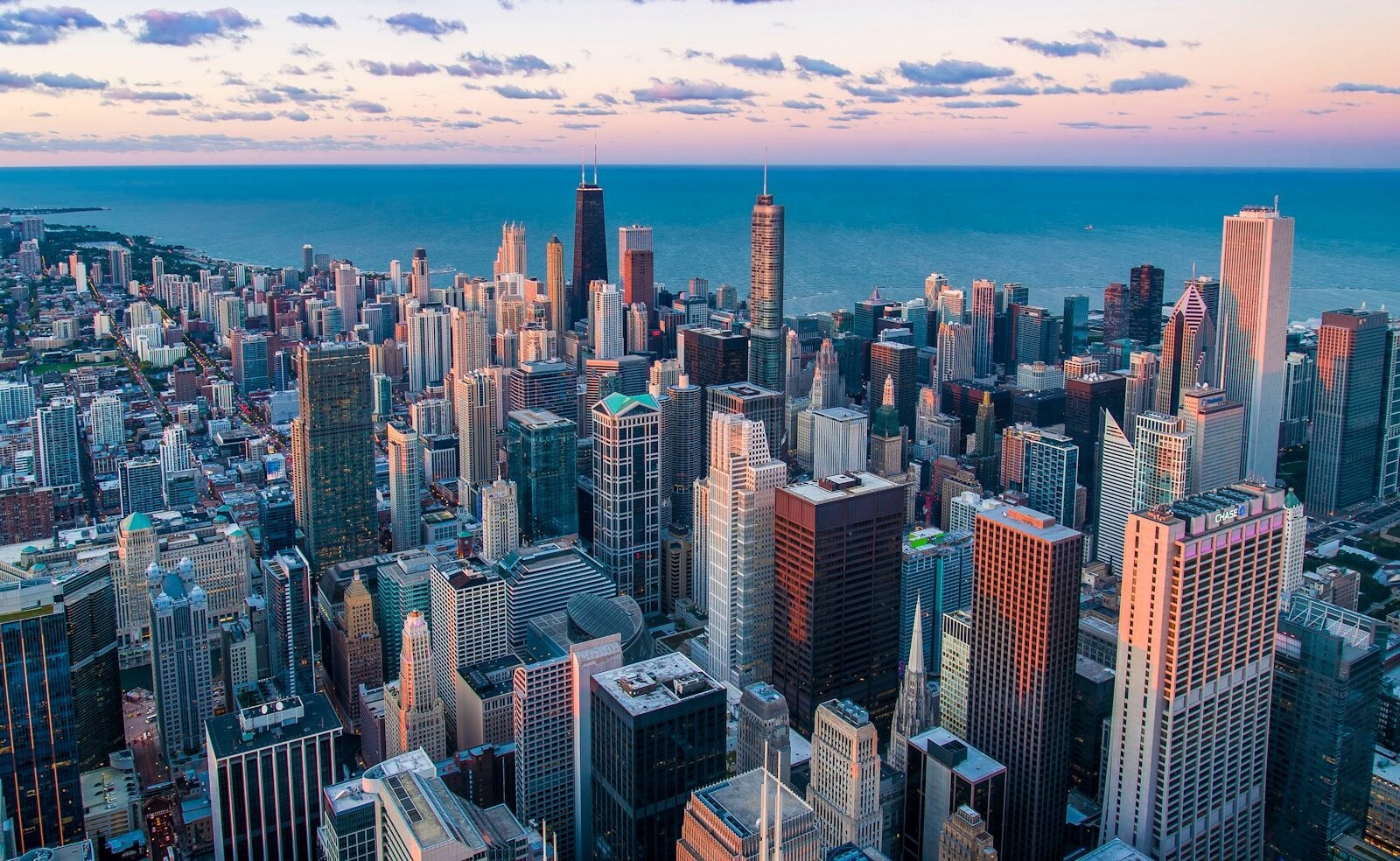
Illinois is home to one of the most politically organized Muslim communities in the country. Institutions like the Council of Islamic Organizations of Greater Chicago (CIOGC) advocate for Muslim civil rights and engagement.
Chicago’s Muslim community is one of the most institutionally mature in the country. From Bridgeview’s Mosque Foundation to countless halal restaurants, Chicago is home to a dynamic and well-established Muslim community. The Mosque Foundation in Bridgeview — one of the largest mosques in the Midwest — serves as the anchor of a significant Arab Muslim community in the southwestern suburbs. The northern suburbs (Skokie, Niles, Morton Grove) have large South Asian Muslim populations. Devon Avenue on the North Side is a legendary South Asian commercial corridor with halal restaurants, grocery stores, and Islamic bookshops running for blocks.
The Chicago area has multiple Islamic schools at the K-12 level, a robust halal food scene, and a Muslim community that has developed significant political organization over decades. Muslim candidates have been elected to local office. The community has legal infrastructure through the Council on American-Islamic Relations (CAIR) Chicago chapter.
The trade-offs: Chicago has significant crime challenges in certain neighborhoods that require careful neighborhood selection. The city’s fiscal situation has been challenging for years. Winters are brutal — genuinely, memorably brutal — and this is not a small consideration for families considering a long-term commitment to the metro.
Best for: Muslim families prioritizing political engagement, institutional depth, and South Asian or Arab community infrastructure. Those who want a city with serious cultural and culinary life outside the Muslim community as well.
4. Houston, Texas — fastest growing, most diverse, no state income tax
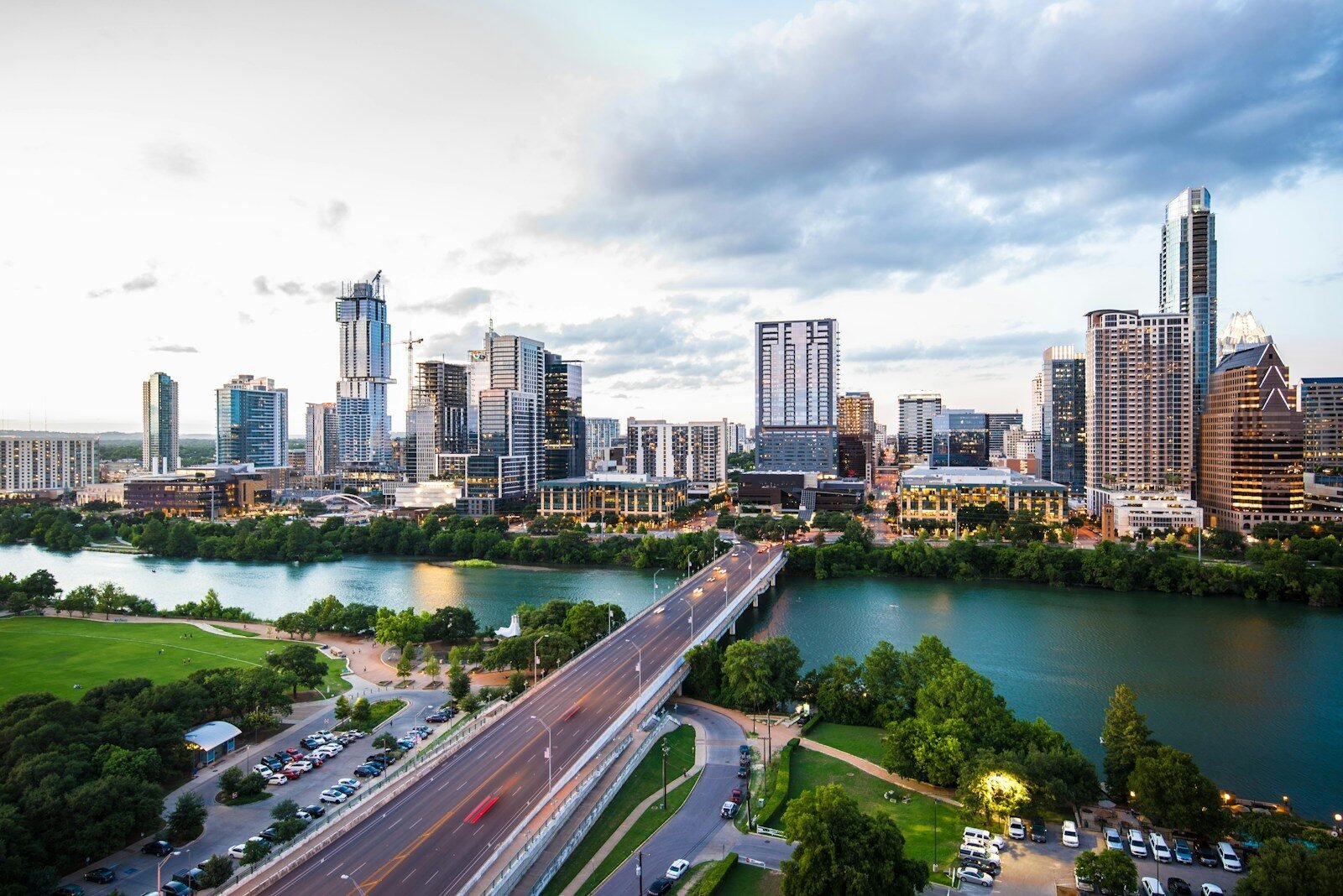
Houston alone has more than 100 mosques. Texas Muslims are reshaping the South through community service, higher education, and interfaith initiatives.
Houston’s Muslim community has grown faster than almost any other American city over the past decade, driven by immigration, internal migration from more expensive cities, and economic opportunity in the energy sector and healthcare. The result is a Muslim community that is extraordinarily diverse — South Asian, Arab, African, African American, convert — with sufficient density to support serious institutional infrastructure.
The Islamic Society of Greater Houston (ISGH) operates multiple mosques and Islamic schools across the metro area. The Houston metro has halal food options from Pakistani to Lebanese to West African to Somali to Bangladeshi — a culinary diversity that reflects the community’s geographic breadth.
Texas has no state income tax, which meaningfully affects take-home pay at professional income levels. Housing costs, while rising, remain significantly lower than comparable metros on the coasts. A Muslim family that might struggle to afford a house with good schools in Northern Virginia or the Bay Area can often find that combination comfortably within reach in Houston’s suburbs — Sugar Land, Katy, Pearland — which also have established Muslim communities.
The trade-offs: Houston summers are extreme — brutal heat and humidity from May through October that genuinely affects quality of life. The city is heavily car-dependent with limited public transit. Flooding is a genuine risk in certain neighborhoods and has become more frequent with climate change. The energy sector’s volatility affects the broader economy.
Best for: Muslim families prioritizing economic opportunity and housing affordability. South Asian and Arab communities seeking density without coastal price tags. Muslim professionals in energy, healthcare, and engineering.
5. Northern Virginia / Washington D.C. Metro — educated, professional, politically connected
The DMV (DC-Maryland-Virginia) metro has one of the most educated and professionally accomplished Muslim communities in America. Close to Washington D.C., Maryland Muslims play key roles in policy, academia, and tech. The Diyanet Center of America in Lanham, Maryland, is a cultural landmark. Virginia’s Muslim community is young, educated, and civically engaged.
The ADAMS Center (All Dulles Area Muslim Society) in Sterling, Virginia is one of the most comprehensive Muslim institutions in the country — a full-service Islamic center with a school, social services, and an active community program calendar. The Muslim community in Northern Virginia (Herndon, Sterling, Fairfax, Reston, Centreville) is among the most well-resourced in America, reflecting the high median income of the region’s professional class.
The presence of federal government, international organizations, and major defense contractors creates a unique employment environment for Muslim professionals, particularly those in policy, law, and technology. The community has produced Muslim members of Congress, ambassadors, and senior government officials.
The trade-offs: Cost of living is high — not New York high, but Northern Virginia real estate is expensive and has appreciated significantly. Traffic is legendarily bad, and the commute culture can be genuinely grueling. The Muslim community, while educated and professional, can sometimes feel more dispersed than in denser urban Muslim enclaves.
Best for: Muslim professionals in government, policy, law, and tech. Families who prioritize educational excellence and professional networking. Those who want proximity to national Islamic institutions and political influence.
6. Atlanta, Georgia — the emerging Southern hub
Atlanta’s Muslim community is growing rapidly and punching above its weight in terms of institutional development. Atlanta’s expanding Muslim population brings with it Islamic schools, halal dining, and signature events such as the Atlanta Muslim Life Expo.
The Perimeter Center and Dunwoody corridor — the northern suburbs of Atlanta — have become a significant concentration of Muslim professional families, driven by the corporate relocations that have made Atlanta a major business hub over the past two decades. Healthcare, technology, media (CNN, Turner), and finance have brought a wave of educated Muslim professionals to the metro, and the community infrastructure has followed.
The Muslim community in Atlanta spans significant ethnic diversity — South Asian, Arab, African American, West African, Somali — with mosques serving each community as well as integrated institutions like the ICNA Atlanta center. Halal restaurants are increasingly easy to find across the metro. Islamic schools have established themselves in the northern suburbs.
Crucially, Atlanta offers a Southern quality of life — more space, lower density, genuinely good weather nine months of the year, and a culture of hospitality — at a cost structure that remains meaningfully more affordable than the Northeast or West Coast. A Muslim family can buy a substantial home with good schools in Alpharetta, Johns Creek, Dunwoody, or Suwanee at prices that are simply not available in comparable suburban contexts in New York or Los Angeles.
The Atlanta Muslim Life Expo has become one of the premier Muslim community events in the South, drawing vendors, scholars, and attendees from across the region.
The trade-offs: Atlanta’s Muslim community, while growing fast, is less institutionally established than the older communities in New York, Chicago, or Dearborn. Some infrastructure that Muslim families want — the density of Islamic schools, the breadth of halal food options at every price point — is still being built. Traffic is famously bad. Public transit is minimal outside the Beltline corridor.
Best for: Muslim families relocating from the Northeast or Midwest for corporate opportunities. South Asian and Arab families who want suburban quality of life without coastal pricing. Muslim entrepreneurs in the growing Atlanta business ecosystem. — Full disclosure: Yala Media Group is based in Atlanta, so we have a personal perspective on this one.
7. Los Angeles, California — depth, diversity, and the Muslim creative class
Los Angeles has an estimated 400,000 Muslims across the metro area. Muslims are concentrated in specific corridors: Irvine and Anaheim for Arab and South Asian communities, West LA and Culver City for Iranian Muslims, Inglewood for African American Muslims, and downtown for converts and African immigrants.
The King Fahad Mosque in Culver City is both an architectural gem and a spiritual hub. Los Angeles has a unique dimension to its Muslim community that no other American city can match — a significant Muslim presence in the entertainment industry. Muslim writers, producers, directors, and actors are increasingly visible in Hollywood, and Los Angeles is the city where that creative Muslim professional class lives and works.
The Muslim community in Los Angeles is also among the most ethnically diverse in the country — Persian Muslims from Iran, Arab Muslims from across the Middle East, South Asian Muslims from Pakistan and India, African American Muslims with deep roots in the Nation of Islam tradition and its successors, and convert communities with significant cultural influence.
The trade-offs: Cost of living is extreme. Housing in any neighborhood with good schools and Muslim community proximity is among the most expensive in the country. Traffic is legendarily difficult. The Islamic school landscape, while present, is less robust than in comparable Muslim population centers. For many Muslim families, the math simply doesn’t work — the salaries available in LA don’t justify the housing costs relative to what the same family could have in Houston or Atlanta.
Best for: Muslim professionals in entertainment, tech, and healthcare where LA salaries and opportunities justify the cost. Iranian Muslim families with established community networks. Single Muslims building careers in creative industries.
8. Philadelphia, Pennsylvania — history, affordability, and authentic community
Muslim life in Philadelphia thrives in neighborhoods like West Philadelphia, offering everything from halal cheesesteaks to vibrant mosques like Masjidullah.
Philadelphia has one of the largest African American Muslim communities in the country — a deep, historically rooted community with institutions that predate the immigration waves that shaped Muslim life in other cities. West Philadelphia has been a center of Muslim life for decades. The Warith Deen Mohammed community has deep roots in the city. Masjidullah is one of the most storied Black Muslim institutions in America.
Philadelphia also has growing South Asian and Arab Muslim communities, and the city’s position between New York and Washington D.C. gives it access to the institutional infrastructure of both without the cost of either. Housing is significantly more affordable than New York, and the city has genuine character — a food scene, a cultural scene, and a civic identity that many residents are deeply attached to.
The trade-offs: Philadelphia has significant crime challenges in certain neighborhoods. The public school system is struggling, leading many families toward private Islamic schools or suburban relocation. Some parts of the city’s infrastructure and public services lag behind comparable metros.
Best for: African American Muslim families with roots in the Warith Deen Mohammed or Nation of Islam tradition. Muslim families who want Northeast location without New York prices. Those who value deep historical community roots over newer, growing infrastructure.
The underrated picks — cities growing faster than they’re recognized
Dallas-Fort Worth, Texas has a Muslim population estimated at over 150,000 and growing rapidly. The suburbs — Richardson, Irving, Garland, Plano, Frisco — have substantial Muslim communities with mosques and Islamic schools. No state income tax, affordable housing, and a booming corporate economy make DFW increasingly attractive for Muslim families relocating from more expensive metros.
Minneapolis-St. Paul, Minnesota has one of the largest Somali Muslim communities in the world outside Somalia — over 100,000 Somali Americans in the metro. The East African Muslim community has built significant institutional infrastructure including mosques, community organizations, and halal businesses. Ilhan Omar’s election to Congress from the Minneapolis area reflects the community’s growing political power. The winters are genuinely extreme, which is the primary quality-of-life trade-off.
Columbus, Ohio has a rapidly growing Muslim community anchored by both South Asian immigration and a significant Somali community. The Noor Islamic Cultural Center is one of the largest mosques in the Midwest. Housing is extremely affordable, the economy is diversifying, and the Muslim community is growing fast enough that institutional infrastructure is building momentum.
Austin, Texas is growing faster than almost any American city and its Muslim community is growing with it. Less established than Houston or DFW, but for Muslim professionals in tech, Austin combines economic opportunity, no state income tax, and a quality of life that has made it one of the most desirable cities in America — with a Muslim community building itself in real time.
What to look for when choosing a city
Every family’s calculus is different. Here is the framework worth applying regardless of which cities you’re considering:
Mosque proximity and quality. Not just whether a mosque exists, but whether it has programming that meets your family’s needs — weekend school for children, youth groups, women’s programming, a khutbah that engages rather than endures. Visit before you decide.
Islamic school availability. If you want Islamic education for your children, confirm that a school exists in the metro, that it has strong academic standing (not just Islamic character), and that it is financially sustainable — more than a few Islamic schools have closed suddenly, disrupting families who built their housing decisions around them.
Halal food access. Not just one halal restaurant, but the kind of everyday access that means you don’t have to plan your meals around special trips. Grocery stores with halal meat. Multiple dining options. Enough supply that quality is maintained through competition.
Community diversity. A Muslim community with ethnic, theological, and generational diversity is generally healthier and more resilient than a homogeneous one. If the only Muslims in a city come from one ethnic background and you don’t share it, the community experience can be isolating.
Career opportunity. Community is important. Economic opportunity is necessary. The best Muslim city for your family is the one where you can build a career that supports the life you want to live — because financial stress is one of the most destructive forces in a Muslim family’s ability to invest in their deen.
The neighborhood specifically. City-level analysis only takes you so far. Within every city on this list there are neighborhoods that are good fits for Muslim families and neighborhoods that aren’t. Do the neighborhood-level research after you’ve narrowed to a city.
Yala Media Group is based in Atlanta, Georgia. We build technology for the Muslim community where giving is structural, transparent, and effortless. Our browser extension turns everyday browsing and Amazon shopping into passive sadaqah — automatically, at no cost to you. Learn more at yalamediagroup.com.